


U.S. Senate Limits Trump’s War Powers, Preventing New Aggression Against Iran
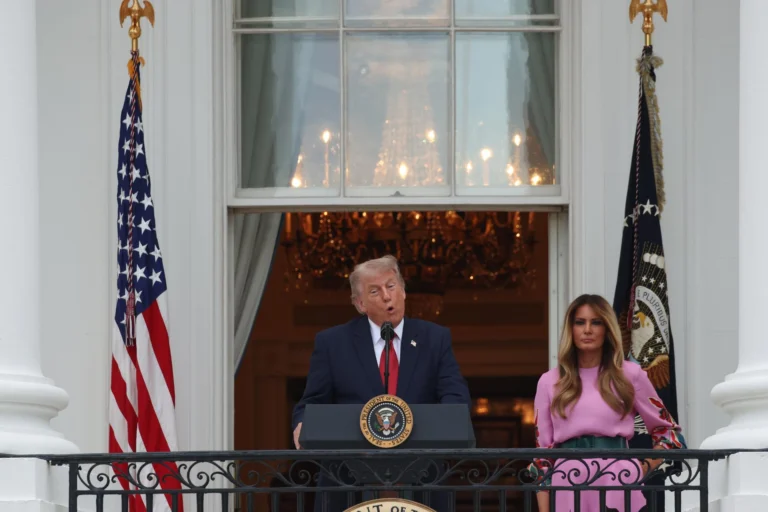
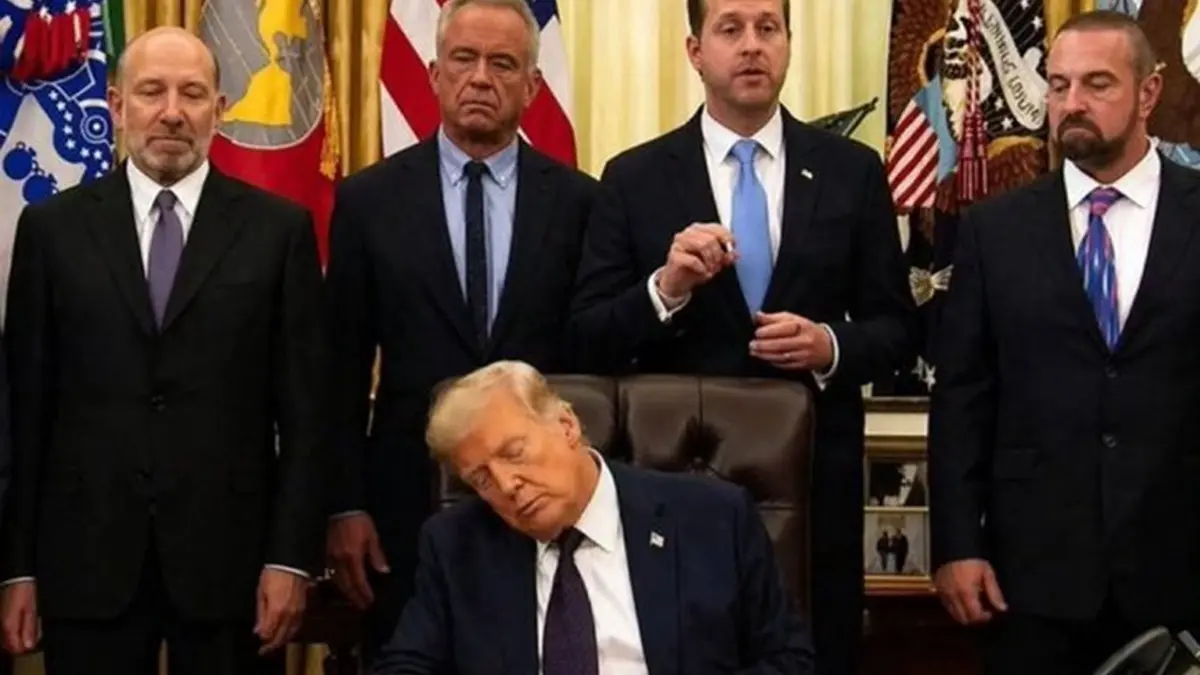
The measure, protected by the War Powers Act, seeks that the president obtains mandatory authorization from Congress to continue military operations extending beyond 60 days. Photo: EFE.
May 19, 2026 Hour: 9:01 pm
🔗 Comparte este artículo
The U.S. Senate approved on Tuesday a resolution to restrict President Donald Trump’s powers, aiming to prevent him from reigniting military aggression against Iran.
The United States Senate on May 19 formally approved a significant resolution designed to effectively curb the powers of President Donald Trump, specifically aiming to prevent him from initiating or continuing military aggression against Iran.
The resolution -which passed with a vote of 50 in favor and 47 against- underscores a concerted effort by lawmakers to reassert Congressional authority over matters of war and peace, particularly in situations involving potential long-term military engagements.
RELATED: Trump Suspends New Attack Against Iran Amidst Peace Talks
The successful passage of this measure now sets the stage for upcoming debates in the following weeks, focusing on the fundamental question of whether the President should be compelled to terminate his ongoing military campaign or seek explicit Congressional authorization for its continuation, thereby intensifying the scrutiny on the Executive’s foreign policy actions and military deployments.
The measure, explicitly framed under the provisions of the War Powers Act, aims to unequivocally require President Trump to obtain compulsory authorization from Congress for any military operations that extend beyond a 60-day period.
The proposal was notably co-sponsored by several prominent Democrats, including Tim Kaine, Cory Booker, Chuck Schumer, Tammy Baldwin, Tammy Duckworth and Adam Schiff. Critically, the project also received essential support from a group of Republicans, specifically Susan Collins, Lisa Murkowski, Rand Paul, and Bill Cassidy.
Should such legislative approval not be granted, the Executive Power would be mandated to commence the withdrawal of its forces. However, the President retains the specific faculty to formally request a 30-day extension in writing. This legal framework is designed to ensure that significant military commitments are not undertaken or prolonged unilaterally, thereby reinforcing the constitutional role of Congress in decisions regarding the deployment of U.S. armed forces and the initiation of hostilities abroad, particularly with respect to potential conflicts involving Iran.
On May 1st the 60-day period officially elapsed since President Trump initially notified Congress about the military operation targeting Iran. Upon the expiration of this legally defined timeframe, the President subsequently informed Congress that the hostilities, which had commenced on February 28, had formally concluded.
U.S. Military Presence Ongoing
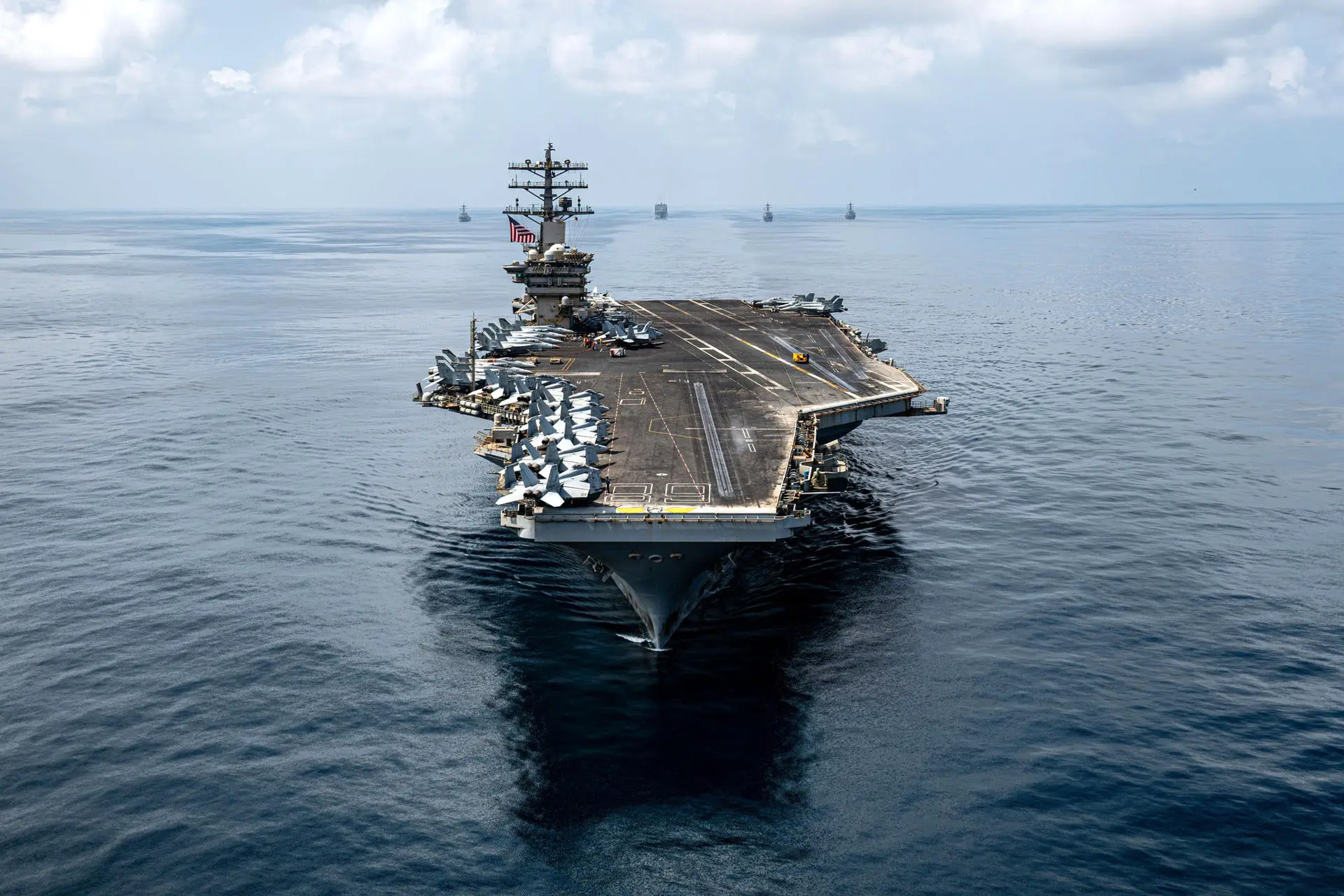
Despite this formal declaration, the Department of Defense continues to actively update its military posture and deployments within the region. This ongoing military presence is maintained under the explicit argument that the alleged threat from Iran purportedly persists, creating a complex and potentially contradictory scenario where official hostilities are declared ended but military readiness remains high.
The Pentagon’s continued adjustment of its military posture in the region, despite the official cessation of hostilities, highlights a persistent tension between the Executive’s interpretation of threats and Congress’s desire for oversight. This ongoing vigilance, based on the argument of a “persisting threat”, complicates the implementation of the War Powers Act resolution, as it allows for a continued military presence that could escalate into renewed conflict without explicit Congressional approval.
The resolution’s passage, therefore, represents a crucial step by the Senate to reassert its constitutional role and ensure that any future military engagements, especially those potentially prolonging operations in Iran, adhere strictly to the legal requirement for Congressional authorization, preventing a unilateral escalation of conflict in the sensitive geopolitical landscape of the Middle East.
Author: Laura V. Mor
Source: Agencies